Wear mechanism
Sliding abrasion, impact and slurry erosion are different conditions. Describe particle size, movement and contact pattern so the material can be assessed for the actual duty.
For surfaces exposed to abrasion, particle flow or mechanical wear. Select the coating or lining by the wear mechanism, impact level, substrate and any combined chemical or temperature exposure.
Request a Quote ↗Protection selected for the actual wear mechanism
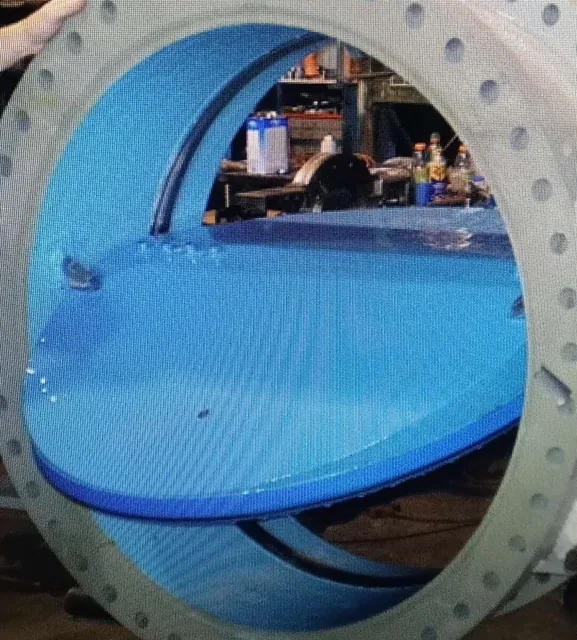
Hard silicon carbide particles form the working wear surface within a binding matrix. The material suits equipment exposed to abrasive particles, including pump components, chutes and slurry-handling details.
View product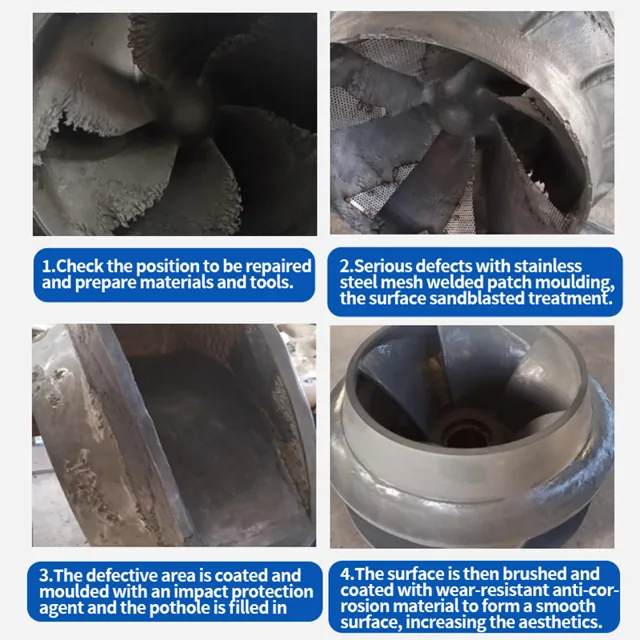
Ceramic particles in an epoxy matrix create a rebuildable wear surface for particle-handling equipment. The lining can restore profiles and protect elbows, housings and chutes exposed to abrasive flow.
View productProtection selected for the actual wear mechanism
Sliding abrasion, impact and slurry erosion are different conditions. Describe particle size, movement and contact pattern so the material can be assessed for the actual duty.
A thin coating and a rebuilding compound address different levels of damage. State whether the surface needs a protective layer, profile restoration or a lining with defined thickness.
Hardness alone does not define suitability. Impact, chemical contact, heat and substrate adhesion may be as important as resistance to abrasion.
Specify the service medium, exposure cycle and the role of each layer. Steel and concrete need different preparation; an exterior finish and an immersion lining are different duties.
Application areas describe the selection scope. Suitability is determined for the specific material and actual operating conditions.
Include the following details with your quantity, destination and packaging requirements. A project specification or required test method helps define the material assessment.
Discuss your requirements ↗No. The wear mechanism and impact behaviour matter. Compare materials under conditions representative of the equipment duty.
No. Chemical resistance and wear resistance should be specified separately, including any combined exposure.
Barrier coatings and resin systems for process environments
Explore categoryProtective finishes for heat-exposed metal
Explore categoryExterior finish layers for compatible protective systems
Explore categoryZinc-rich layers within steel protection systems
Explore categoryInternal protection selected for the contained medium
Explore categoryShare the substrate, operating conditions and supply requirement. Let’s define the coating category and the details needed for your quotation.