Exposed or covered service
A membrane under tile and an exposed roof finish have different demands. State sunlight, traffic, ponding and any intended protective or decorative layer.
For projects requiring a liquid-applied waterproofing layer. Substrate movement, drainage, exposure and detail treatment determine the required system and its protective finish.
Request a Quote ↗Site-applied waterproofing layers for defined substrates
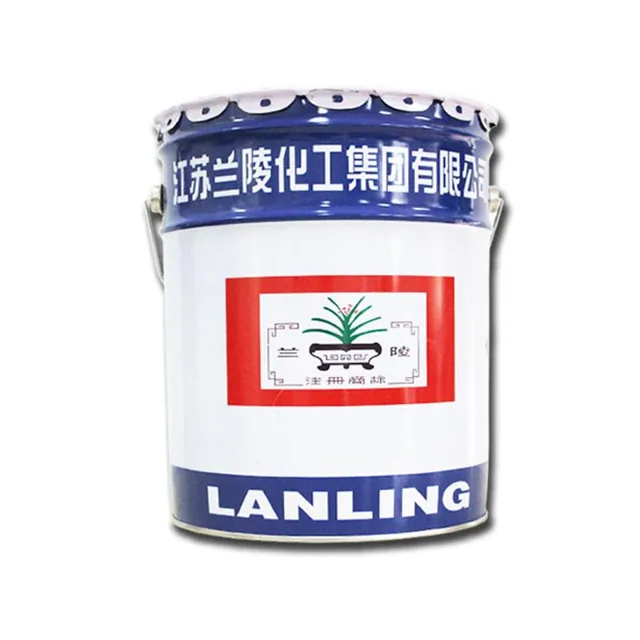
A liquid-applied polyurethane layer provides continuous waterproofing around complex concrete surfaces. It suits tank walls, channels and construction details that benefit from a joint-free coating.
View product
A liquid-applied roof membrane follows roof contours and details to form a continuous protective surface. It suits roof refurbishment where broad areas, upstands and penetrations need an integrated coating.
View product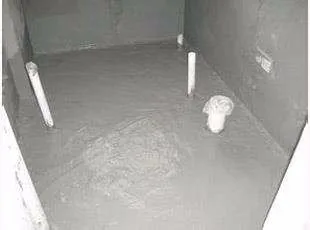
Combines a polymer liquid and cementitious powder to form a waterproof layer on mineral substrates. It fits wet-area construction beneath later finishes, with continuous treatment around corners and pipe penetrations.
View productSite-applied waterproofing layers for defined substrates
A membrane under tile and an exposed roof finish have different demands. State sunlight, traffic, ponding and any intended protective or decorative layer.
Corners, drains, joints and penetrations are part of the waterproofing system. Define movement and reinforcement needs rather than treating the flat surface alone.
Check surface strength, moisture and existing layers. Weather, drying conditions and access for consecutive coats affect application planning.
Identify the defect and water path before choosing a treatment. Substrate repairs, movement details and the waterproofing layer need to work together.
Application areas describe the selection scope. Suitability is determined for the specific material and actual operating conditions.
Include the following details with your quantity, destination and packaging requirements. A project specification or required test method helps define the material assessment.
Discuss your requirements ↗No. Flexibility and movement capability depend on the system. Specify the required movement and service exposure when selecting materials.
Existing layers need checks for adhesion, contamination and compatibility. Unsound areas require preparation or removal before recoating.
Cement-based surface treatments for compatible concrete
Explore categorySurface waterproofing where the visible finish matters
Explore categoryResin-based repairs selected for defect and placement
Explore categoryResin supply for defined formulation and application systems
Explore categoryShare the substrate, operating conditions and supply requirement. Let’s define the coating category and the details needed for your quotation.