Medium and contact conditions
Provide chemical names, concentration, temperature and immersion duration. Include cleaning, emptying and refill cycles that may differ from normal storage.
For internal surfaces in tanks, pipes and containment structures. Specify the contained medium and exposure cycle first, then assess substrate preparation, coating continuity, curing and access for inspection.
Request a Quote ↗Internal protection selected for the contained medium
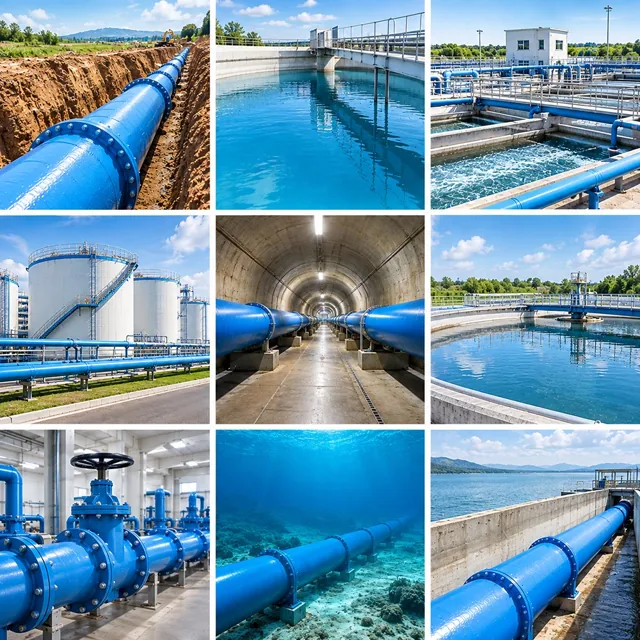
A continuous internal barrier protects water-handling surfaces and supports a smooth, maintainable lining. The primer establishes adhesion while the finish forms the water-contact surface.
View product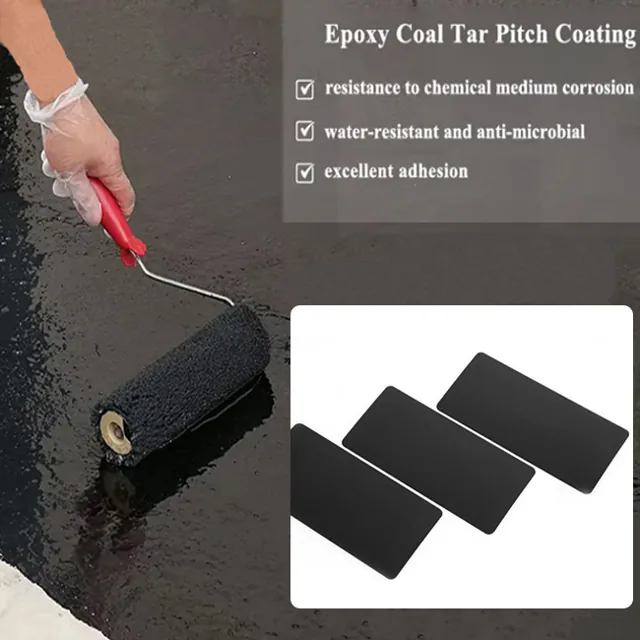
Combines an epoxy binder with a bituminous barrier for buried and wet-service infrastructure. Its dark film suits pipe exteriors and protected surfaces where barrier protection is the main requirement.
View product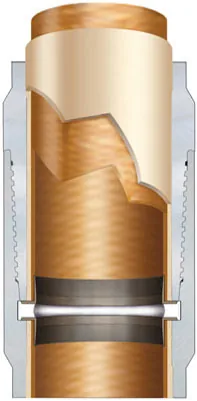
A reinforced internal lining combines the barrier function of epoxy with glass-fibre support. The layered construction allows the lining arrangement to follow pipe geometry, connections and service requirements.
View product
Combines corrosion protection with a conductive path through the tank-lining system. It is used where tank operation requires electrostatic control alongside protection of the metal surface.
View product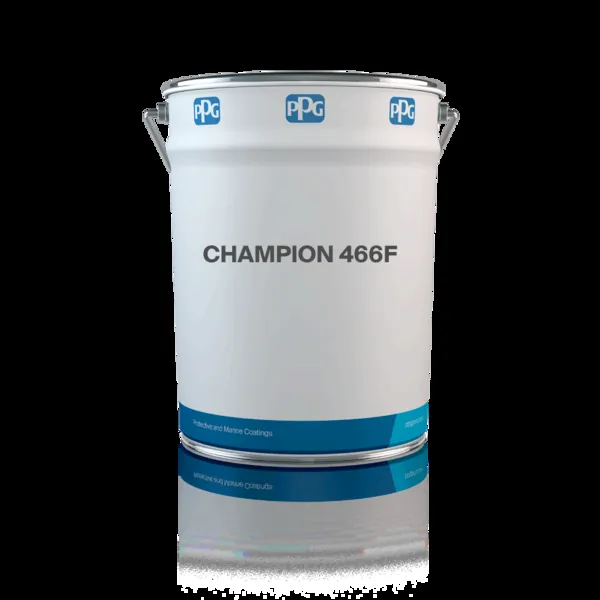
A smooth epoxy lining for process equipment requiring cleanable internal surfaces. The lining design brings together the contact medium, cleaning cycle and maintenance needs of the food-processing operation.
View product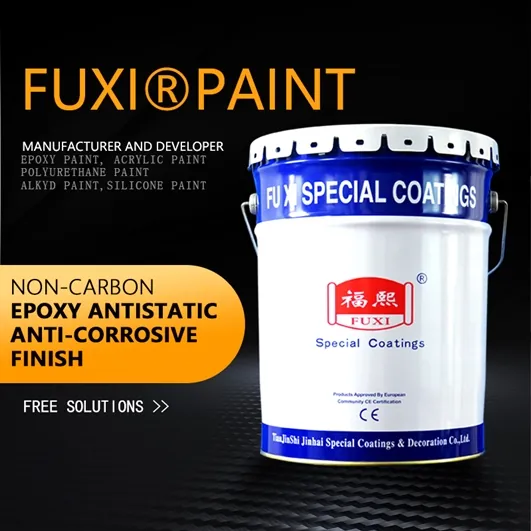
A light-coloured conductive lining supports internal visibility while providing electrostatic control. Non-carbon conductive fillers allow the lining appearance to be coordinated with tank inspection and maintenance needs.
View product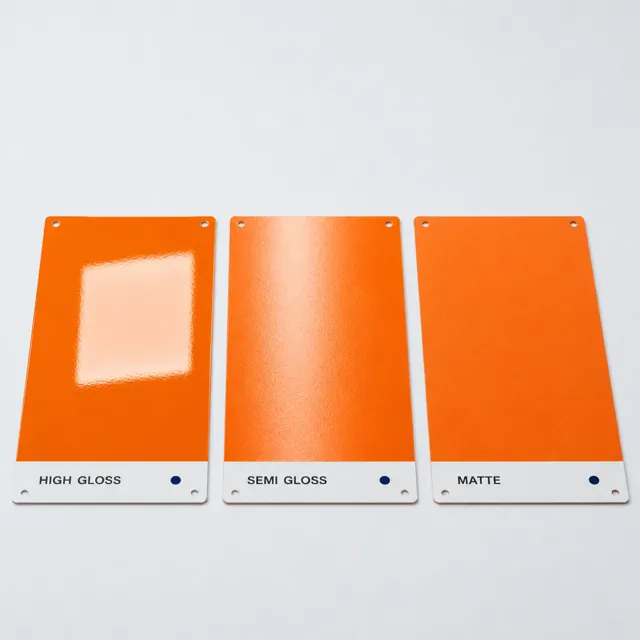
A crosslinked epoxy-phenolic lining for chemical storage and process containment. The system is designed around the stored medium, immersion duty and cleaning sequence to form a continuous internal barrier.
View product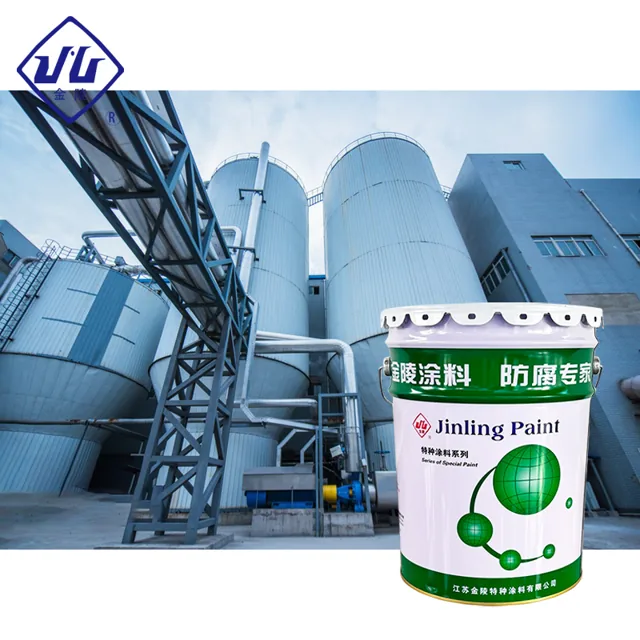
A solvent-free epoxy system builds a continuous protective lining inside tanks and containment structures. The formulation supports substantial film build with the application process organised around mixing and curing.
View productInternal protection selected for the contained medium
Provide chemical names, concentration, temperature and immersion duration. Include cleaning, emptying and refill cycles that may differ from normal storage.
An exterior anti-corrosion finish protects against the surrounding atmosphere. An internal lining must be assessed against the contained medium and its contact requirements.
Welds, corners and inaccessible areas affect continuity. Define preparation access, ventilation, cure conditions and the required inspection approach with the project specification.
Specify the service medium, exposure cycle and the role of each layer. Steel and concrete need different preparation; an exterior finish and an immersion lining are different duties.
Application areas describe the selection scope. Suitability is determined for the specific material and actual operating conditions.
Include the following details with your quantity, destination and packaging requirements. A project specification or required test method helps define the material assessment.
Discuss your requirements ↗No. Drinking-water or food-contact use requires evidence applicable to the specific coating, intended contact conditions and destination market.
No. Substrate damage, active leakage or structural defects need a suitable repair assessment before a lining system is applied.
Barrier coatings and resin systems for process environments
Explore categoryProtective finishes for heat-exposed metal
Explore categoryExterior finish layers for compatible protective systems
Explore categoryZinc-rich layers within steel protection systems
Explore categoryProtection selected for the actual wear mechanism
Explore categoryShare the substrate, operating conditions and supply requirement. Let’s define the coating category and the details needed for your quotation.