Temperature profile
Provide the surface temperature rather than only the fluid temperature. State peak temperature, duration, heating rate and cooling cycles where available.
Select heat-resistant coatings for the actual temperature cycle, surface and surrounding environment. Continuous dry heat, intermittent heating and hot chemical exposure require separate evaluation.
Request a Quote ↗Protective finishes for heat-exposed metal
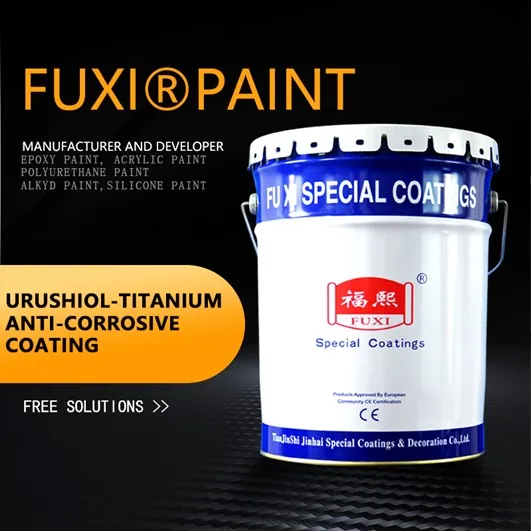
A specialist protective finish for industrial equipment and surfaces facing chemical exposure. It forms an adherent barrier and can be incorporated into maintenance coating systems for tanks, pipework and plant surfaces.
View product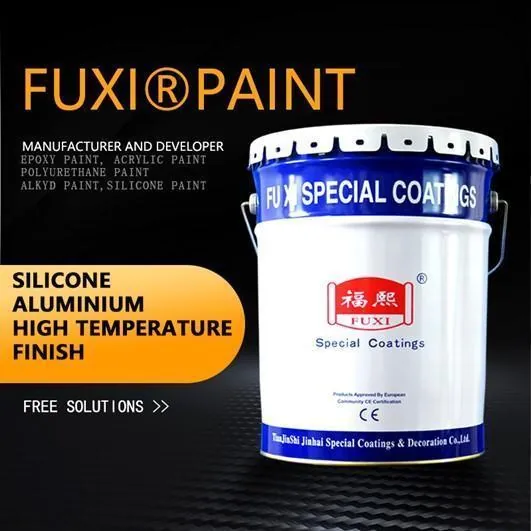
A metallic heat-resistant finish for hot pipework and industrial equipment. The aluminium-pigmented surface provides a silver appearance while the silicone binder serves the elevated-temperature coating duty.
View product
Protective coating selection for equipment where heat and chloride-bearing exposure occur together. The system is configured around the gas or liquid phase, temperature cycle and surface conditions of the process.
View product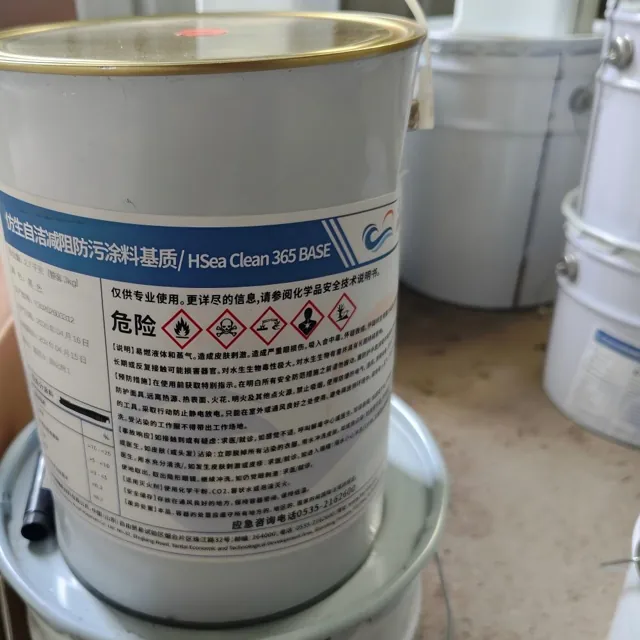
A silicone-based protective finish for exhausts, hot pipework, ovens and other heated metalwork. The coating is selected around operating temperature, heating cycles and the required surface appearance.
View productProtective finishes for heat-exposed metal
Provide the surface temperature rather than only the fluid temperature. State peak temperature, duration, heating rate and cooling cycles where available.
A dry-heat temperature rating does not establish resistance to hot immersion or corrosive condensate. Include moisture, chemicals and condensation in the enquiry.
Some systems depend on a defined cure or heat cycle. Existing primers and topcoats must be compatible with the chosen heat-resistant finish and operating temperature.
Specify the service medium, exposure cycle and the role of each layer. Steel and concrete need different preparation; an exterior finish and an immersion lining are different duties.
Application areas describe the selection scope. Suitability is determined for the specific material and actual operating conditions.
Include the following details with your quantity, destination and packaging requirements. A project specification or required test method helps define the material assessment.
Discuss your requirements ↗No. Heat-resistant coatings and fire-protection coatings serve different purposes. Fire-resistance requirements need a separately defined and documented system.
No. Substrate, thermal cycling, moisture, chemicals and curing conditions also determine suitability.
Barrier coatings and resin systems for process environments
Explore categoryExterior finish layers for compatible protective systems
Explore categoryZinc-rich layers within steel protection systems
Explore categoryInternal protection selected for the contained medium
Explore categoryProtection selected for the actual wear mechanism
Explore categoryShare the substrate, operating conditions and supply requirement. Let’s define the coating category and the details needed for your quotation.