Repair form and geometry
A non-sag putty, trowelable mortar and flowing grout solve different placement problems. Provide repair dimensions, orientation and access so the material form can be matched.
For local repairs, filling and rebuilding where an epoxy-based material is appropriate. Distinguish putty, mortar, grout and injection systems by repair geometry, placement and service conditions.
Request a Quote ↗Resin-based repairs selected for defect and placement
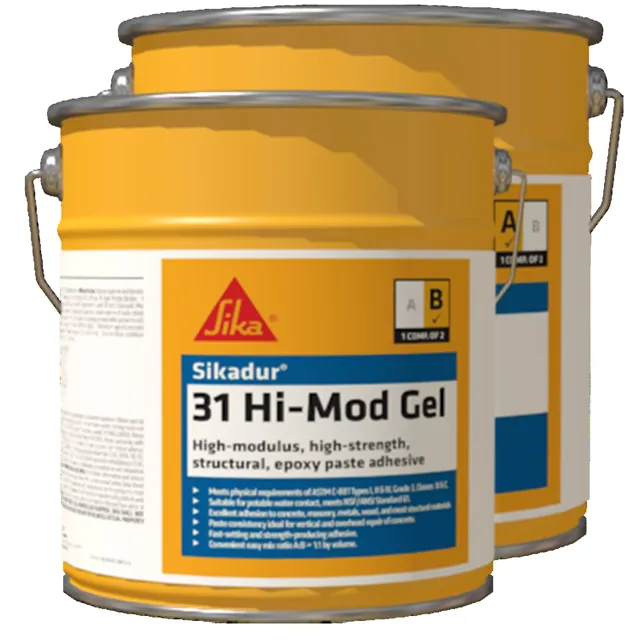
A paste-grade repair material for local voids, edge defects and surface levelling. The non-flowing application form helps place material into small cavities and prepare a sound surface for subsequent coating.
View product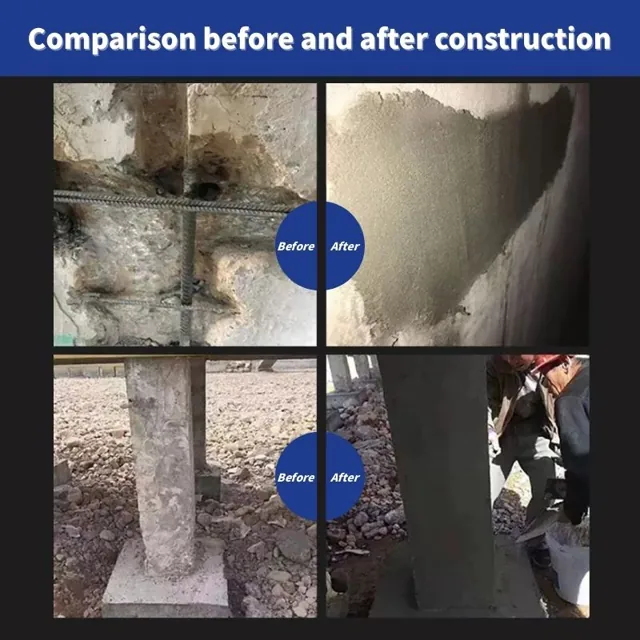
A resin-and-aggregate repair material for rebuilding worn or damaged concrete profiles. It supports deeper local repairs, floor edges and equipment bases that require a shaped, load-bearing repair layer.
View product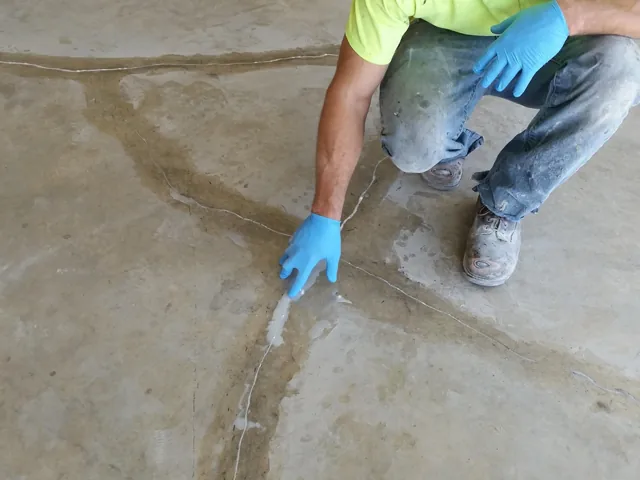
A flowing epoxy resin fills accessible static cracks and bonds the prepared crack faces. Injection allows material to enter the crack path and supports local restoration of concrete continuity.
View productResin-based repairs selected for defect and placement
A non-sag putty, trowelable mortar and flowing grout solve different placement problems. Provide repair dimensions, orientation and access so the material form can be matched.
Loose material, contamination and moisture affect bonding. State whether the repair is dry, damp or subject to continuing leakage, and whether cracks are moving.
Load, chemical contact, temperature and return-to-service needs influence selection. Match the repair with the subsequent coating or waterproofing layer where required.
Identify the defect and water path before choosing a treatment. Substrate repairs, movement details and the waterproofing layer need to work together.
Application areas describe the selection scope. Suitability is determined for the specific material and actual operating conditions.
Include the following details with your quantity, destination and packaging requirements. A project specification or required test method helps define the material assessment.
Discuss your requirements ↗No. Their flow and placement requirements differ. Choose the material form for the defect and repair method.
That depends on the material and leak condition. Active leakage may need a separate water-control method before the repair can bond and cure appropriately.
Cement-based surface treatments for compatible concrete
Explore categorySite-applied waterproofing layers for defined substrates
Explore categorySurface waterproofing where the visible finish matters
Explore categoryResin supply for defined formulation and application systems
Explore categoryShare the substrate, operating conditions and supply requirement. Let’s define the coating category and the details needed for your quotation.